How much do Nigerians in the UK really send home each month?

UK immigrants send approximately £9 billion back home every year. Nigerians make up a huge population of UK immigrants, so this means that they contribute hugely to the amount mentioned.
Every month, many Nigerians living in the UK send money back home to their family and loved ones through various means for different reasons.
These financial transfers are very top-ranking and vital to the economies of both countries. These remittances help with household incomes, entrepreneurial ventures, and grow local economies across Nigeria.
Let’s take a deep dive into the real picture behind monthly remittances from Nigerians in the UK and understand how they vary across different income brackets and regions.
We will also talk about the economic impact of these remittances on Nigeria’s financial landscape and why they are important.
Understanding the motivation: Why do Nigerians send money home?
Nigerians in the UK send remittances primarily because they want to support their families back home. This could include helping parents, siblings, and children with daily living expenses like food, utilities, and rent.
Investment in education is a key driver, as many migrants fund school fees for younger family members to ensure a better future.
Healthcare needs are another significant factor, as medical treatments and hospital bills may be unaffordable in the home countries. Emergencies such as sudden illness or unforeseen crises could also prompt urgent financial transfers.
There’s also a large number of immigrants who send money for business investments and property or land purchases, which are seen as long-term economic security strategies.
The remittances most immigrants send are deeply rooted in cultural and emotional obligations. The strong family ties in Nigerian culture create a powerful sense of duty to provide sustained support.
This often requires migrants to balance the high cost of living in the UK with the responsibility to send money back home. These are the emotional and cultural factors that sustain remittance flows even amid economic pressures.

Average monthly remittance: What Nigerians actually send from the UK monthly.
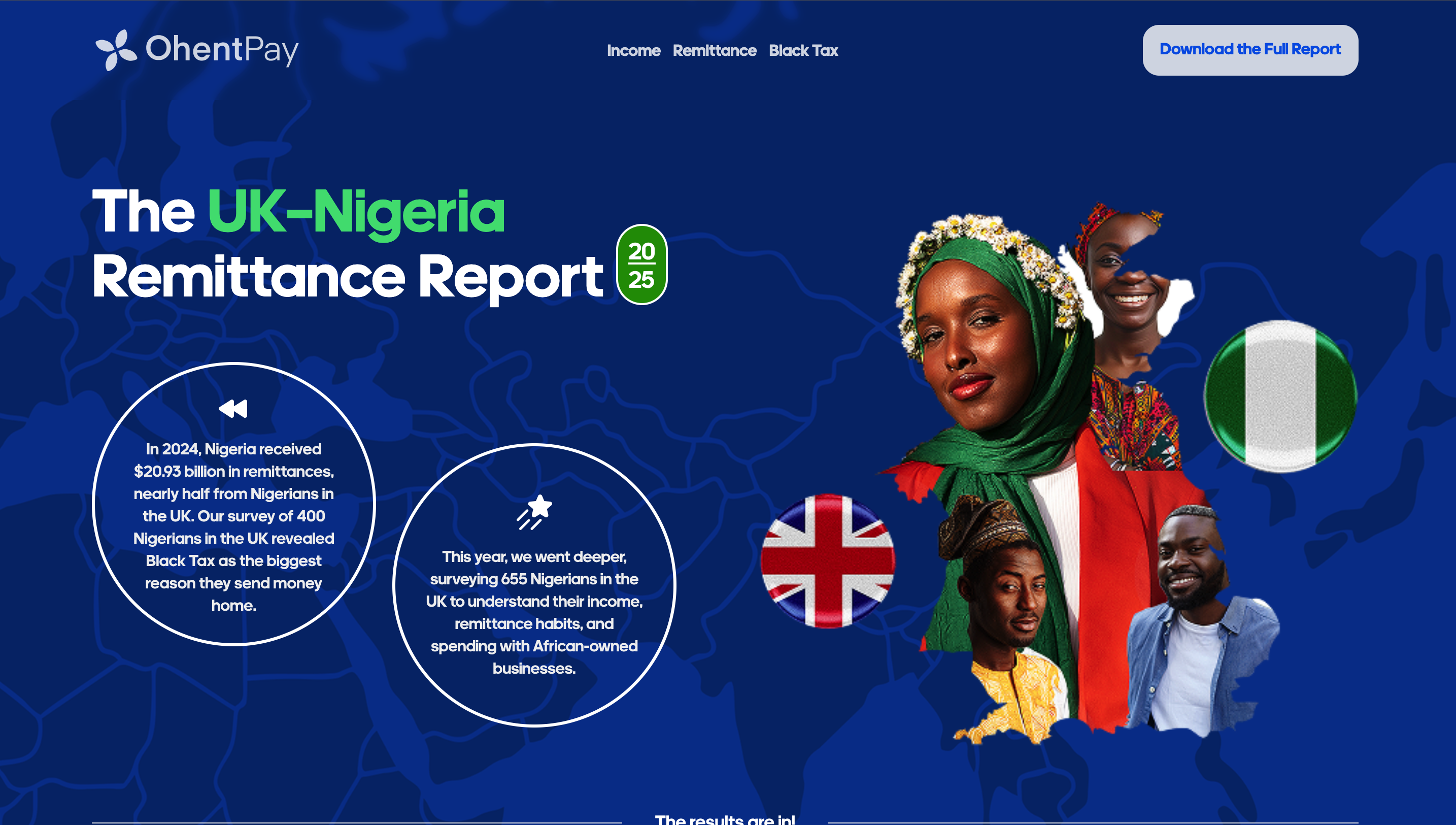
According to OhentPay’s 2025 UK-Nigeria Remittance report, in 2025, about 16% of Nigerian immigrants in the UK sent between £500-£1000, while about 12% sent above £1000.
This differs from what was obtainable last year because 17% of Nigerians were sending over £1000 back home, while 19% sent between £500-£1000. It also seems that there has been a rise in financial transfers below £500, as they increased from 8% to 12% this year.
Reasons for the decline in average monthly remittance.
Now, this decline does not mean that people are sending less money back home. In fact, on the contrary, as more Nigerians migrate, the financial transfers have become higher in number.
They’re only less in percentage when collated together because most Nigerians who migrate tend to work at jobs that pay less than £50,000 annually. This naturally means that they can only send small amounts home, hence the increase in financial transfers below £500.
For more clarity, Nigerian immigrants could belong to any of the income brackets below:
- Entry-level workers such as NHS support staff, retail, and hospitality employees. These immigrants might only be able to send amounts less than £500 monthly due to their modest earnings.
- Mid-level professionals like nurses, teachers, and IT workers who earn a bit more and might be able to send £300 and £700 monthly.
- High earners like doctors, lawyers, and senior corporate workers who might be in a position to send amounts that exceed £1,000 monthly. These are the people who make larger transfers from the UK to Nigeria.

Another factor that might affect the fluctuations in UK-Nigeria remittances is the exchange rate. Since a large number of immigrants(64% according to the report) are rate-sensitive, the exchange rate from pounds to naira means that they can send fewer pounds and still maintain the same amount of naira.
The impact of foreign remittances on Nigeria's economy.
The UK-Nigeria remittance corridor is a major economic channel, with total remittances to Nigeria estimated to grow in the coming years.
In comparison to other foreign exchange sources, such as foreign direct investment (FDI) and foreign aid, remittances are much higher and sometimes amount to a huge part of the federal budget in value.
Remittances help in poverty reduction by providing consistent supplementary income that helps families meet basic needs and invest in human capital.
They also directly fund education and healthcare improvements, enabling many households to afford school fees, medical treatments, and preventive care that government programs may not fully cover.
This cash inflow also supports local economic development by improving investment in small businesses.
The real estate market is also impacted by these remittances from the UK, as they contribute heavily to property and land purchases. They help sustain construction activities and generate employment and economic growth at the community level.

In 2025, with the weakening of the naira against the pound sterling, many senders have had to adjust the timing and amounts to preserve the naira value of their transfers.
There’s also the fact that Nigeria’s economic policies continue to complicate the foreign remittance landscape and, in the process, affect the net value recipients receive.
The high cost of living in the UK, on the other hand, restricts the sending capacity of immigrants and forces them to create a balance between their financial support and the obligations they have to their loved ones.
Conclusion.
These monthly transfers are more than just financial support. They’re the bond that people in the diaspora have and sustain with their loved ones at home while contributing significantly to Nigeria’s broader economic stability.
Despite challenges such as a volatile exchange rate and rising living costs in the UK, Nigerians are still making strategic, informed decisions to maximise the value of their money.
Looking for easier ways to send money home as support to your loved ones? We’ve got just the right platform for you.
With OhentPay, you can send money from the UK to Nigeria with ease. Only flat rates, no hidden charges. Let your family receive your support as quickly as possible. Download our app today and set up your account within minutes.