UK money transfer rules in 2025: What you need to know

Have you ever taken time to explore the UK money transfer rules in 2025, so you can understand the regulators, limits, compliance, consumer protection, and recent changes?
This article addresses everything you are likely to be curious about concerning sending or receiving money within the UK and from overseas.
Each UK bank and payment service provider has its own regulations and must operate under the rules laid down by the Financial Conduct Authority (FCA).
Hence, you should confirm that any bank or PSP you use is FCA-registered and regulated to ensure your consumer rights protection.
The FCA not only protects you in cases of failed money transfers or service dissatisfaction, but also safeguards your deposits and reimburses you if the bank or service provider ceases operations.
We’ve also covered details about the roles of the FCA, the Financial Ombudsman Service, and the main regulators in the UK’s financial services industry. Let’s get right at it!
Who regulates money transfer laws in the UK?
The Financial Conduct Authority (FCA) is the main body responsible for regulating financial services in the UK. They monitor the conduct of service providers in the industry and play a vital role in preventing fraud.
The FCA sets standards for firms and organisations that specialise in payment services across the UK, ensuring users get what they deserve and safeguarding the integrity of the nation's financial system.
Money transfer limits in the UK
The UK government or any of its authorities does not set specific limits on the amount of money a person can send or receive within the UK and internationally.
This means the maximum payment limits from the UK are set by banks and PSPs, each with its own regulations.
View the table below to know the limits for local and international money transfers of the UK's most popular banks:
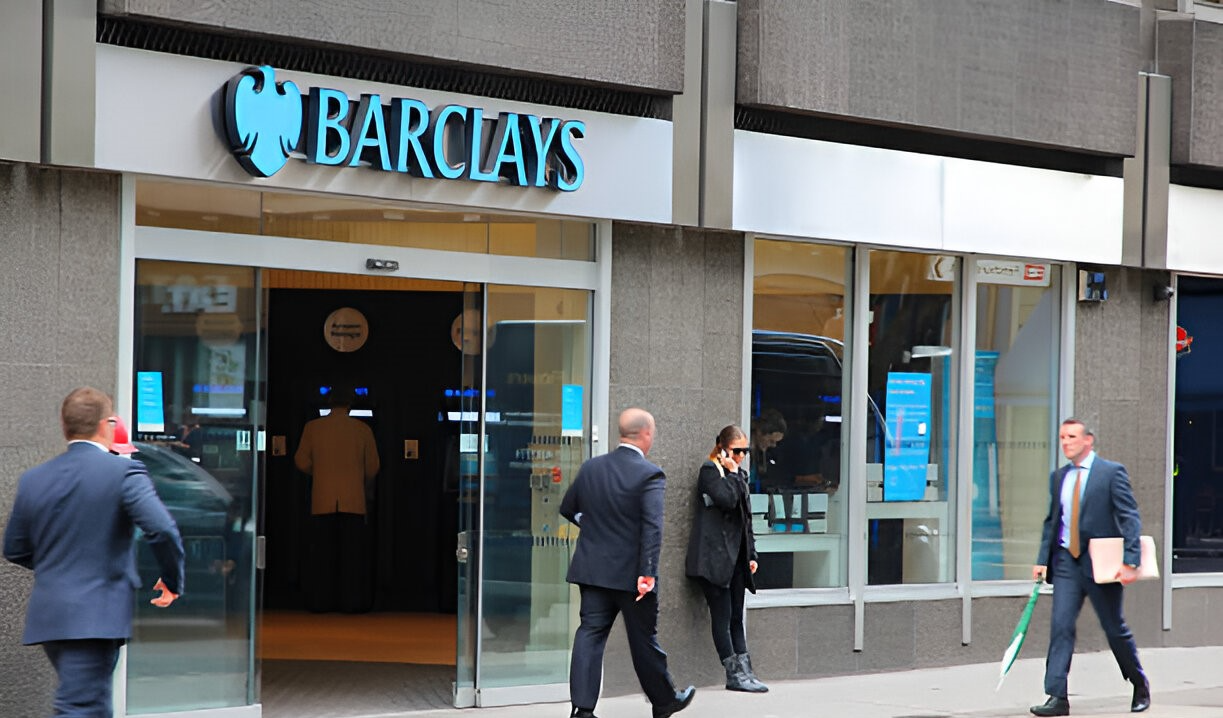
Banks set these limits to reduce losses due to unauthorised transfers of large amounts from your account, making it only possible to send money of higher value with your physical appearance at the nearest bank branch.
Transaction amount limits often apply to money transfers initiated via online and mobile banking. So, if you are visiting the bank in person, you can transfer any amount with barely any limits.
Compliance with international money transfer laws and regulations in the UK
The Funds Transfer Regulation (FTR) and the Anti-Money Laundering (AML) regulations are two major rules governing international money transfers across banks and Payment Service Providers (PSPs) in the UK.
FTR is also called the Wire Transfer Regulation, comprising rules for PSPs in the UK, aimed at tracking payments to local and international destinations. This regulation helps identify and hinder suspicious transactions, including money laundering.
On the other hand, AML regulations are comprehensive rules enforced by HM Revenue & Customs (HMRC) to monitor, prevent, and investigate transfers of crime proceeds or transactions that facilitate terrorist activities.
These involve collecting each account holder’s Know Your Customer (KYC) details and reporting directly to HMRC or the Financial Conduct Authority (FCA) in the United Kingdom, for enforcement and compliance.
What has changed in the UK money transfer rules?
There have been many changes in money transfer regulations in the United Kingdom, most especially:
Replacement of existing safeguarding requirements with interim rules to protect funds:
End-state rules became the new norms, requiring firms to segregate safeguarded funds from other funds by receiving them in a designated safeguarding account with an authorised credit institution.
Additional requirements by the sender and recipient for international money transfers:
This means more information must be provided to send or receive across borders from the UK. Note that this change already reflects in the UK’s Funds Transfer Regulation and was implemented on March 31, 2022.
Consumer rights and protection when sending money outside the UK
You can complain to the FCA if a bank or payment service provider didn't treat you right or does anything against these standards. Below are different scenarios with what to do:
- If you experienced a problem while initiating a cross-border transfer, first report to the bank or service provider and allow time (up to 8 weeks) to receive a response or resolution ticket. If the issue doesn't get resolved, you can complain to the Financial Ombudsman Service in the UK.
- If you are not satisfied with the response or support provided, inform the Financial Ombudsman Service so they can investigate further.
- If your bank or payment service provider goes out of business or becomes bankrupt, the Financial Services Compensation Scheme (FSCS) covers up to £85,000 of your losses.
OhentPay as a better alternative for money transfers.
OhentPay is a UK-based financial remittance company that beats most banks and payment service providers in the United Kingdom due to its unique offerings. They offer;
- Accounts for personal and business use
- A mobile banking app for cross-border payments between 190+ countries
- Zero account maintenance fees if you choose the Free plan, which allows you to create only one multi-currency account
- Accounts to hold and transact in over 40 currencies, including GBP, USD, EUR, CHF, and NGN
- Instant transfer processing and reflection
- Fixed fees on local and international transactions
- Competitive exchange rates on international money transfers
Conclusion
The UK money transfer rules apply to everyone who wants to send or receive money from the United Kingdom, even if you are a visitor or student with limited income.
If you think you’ve been unjustly charged by a bank or payment service provider in the UK, now you know what to do.
Remember to confirm their registration with the FCA, as well as compare transfer limits, fees, and account maintenance fees before opening an account or joining any platform to send money from the UK.